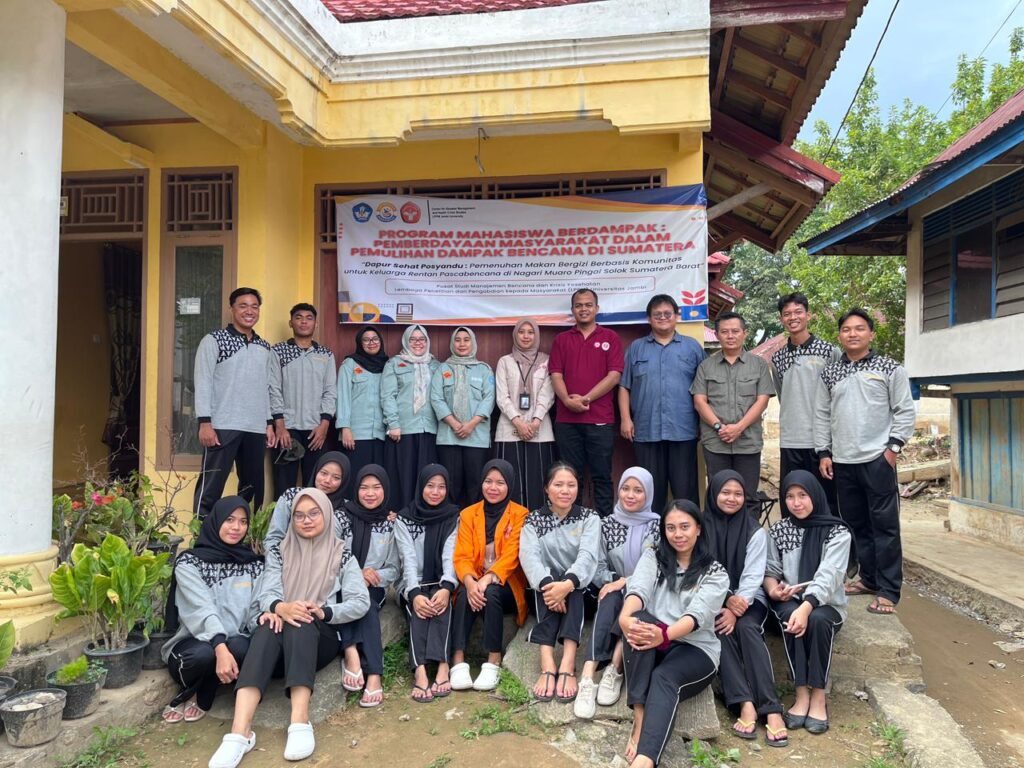
SEAMEO RECFON collaborated with UNJA in the 2026 Impactful Student Program Mentorship to support post-disaster community nutritional recovery in Nagari Muaro Pingai, Solok Regency, West Sumatra, on 4–5 February 2026. This collaboration focused on strengthening student capacity to design and implement local food-based nutritional interventions for vulnerable groups, specifically early childhood and pregnant women, in both normal and emergency situations.
Under the coordination of the Center for Disaster Management and Health Crisis within UNJA’s Institute for Research and Community Service (LPPM), the mentorship involved a dedicated team of five faculty members, including four experts from the Department of Nursing and one from the Department of Nutrition. These mentors guided approximately 15 selected students in strengthening their capacity to design and implement localized food-based nutritional interventions.
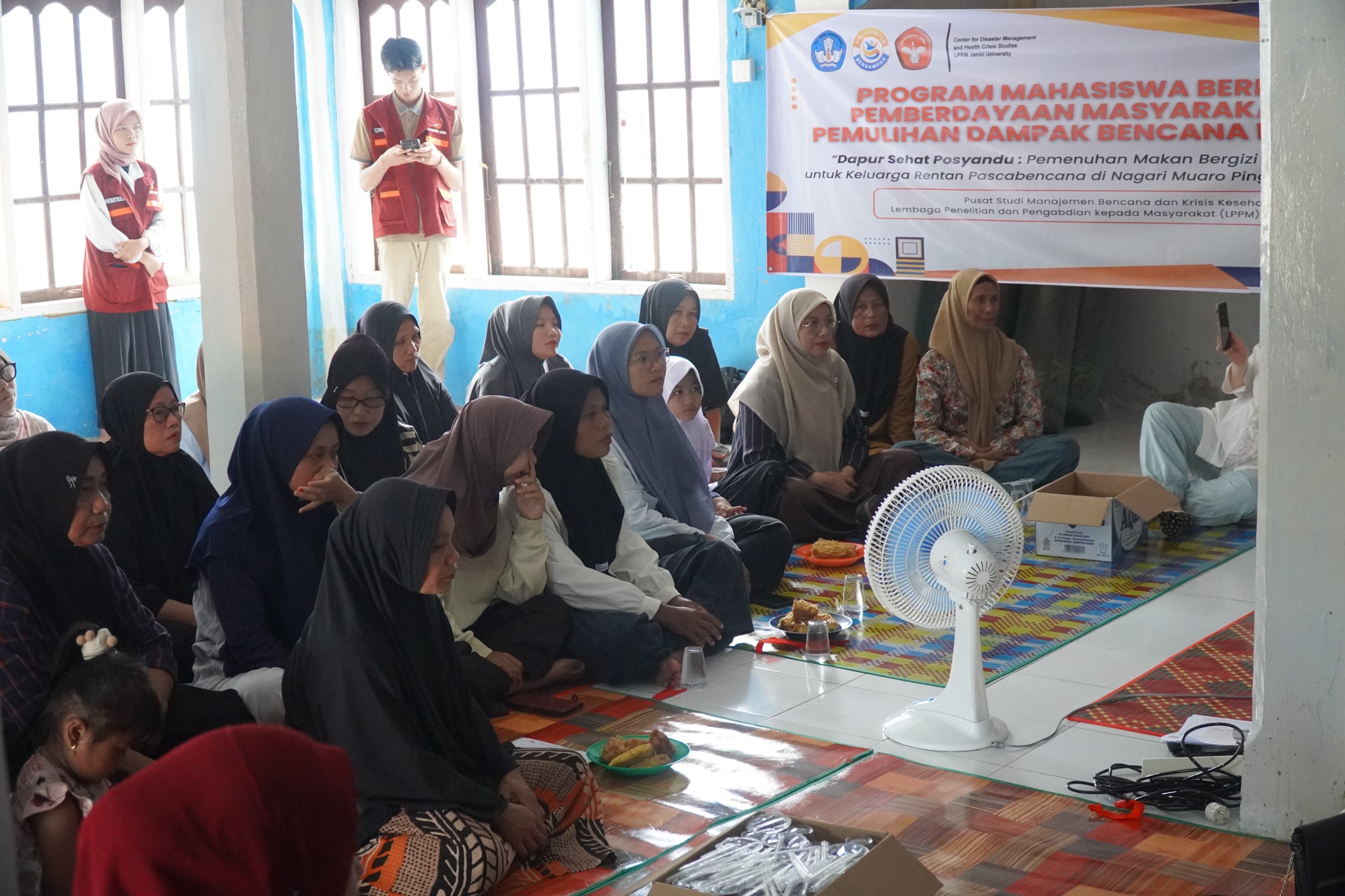
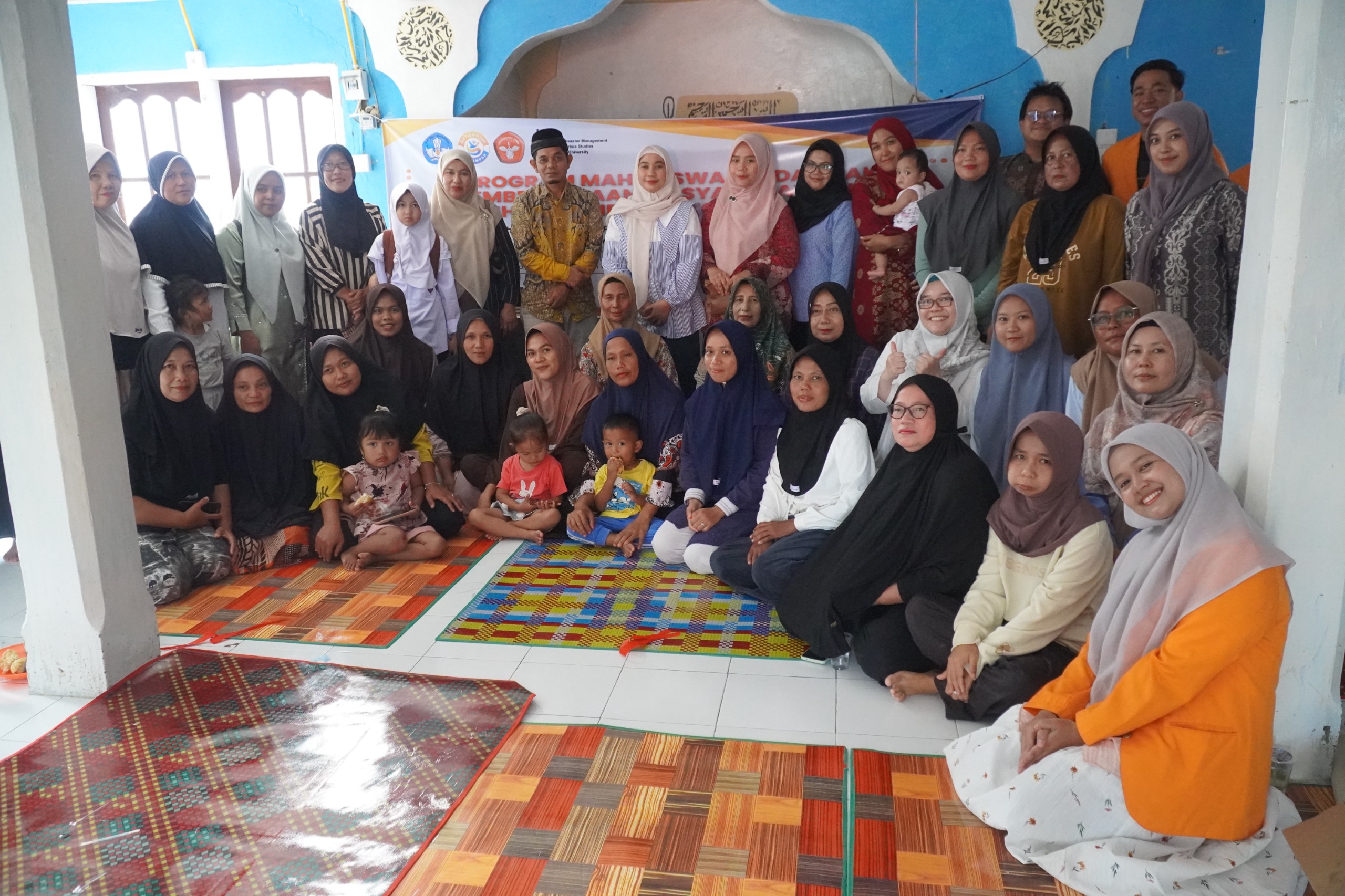
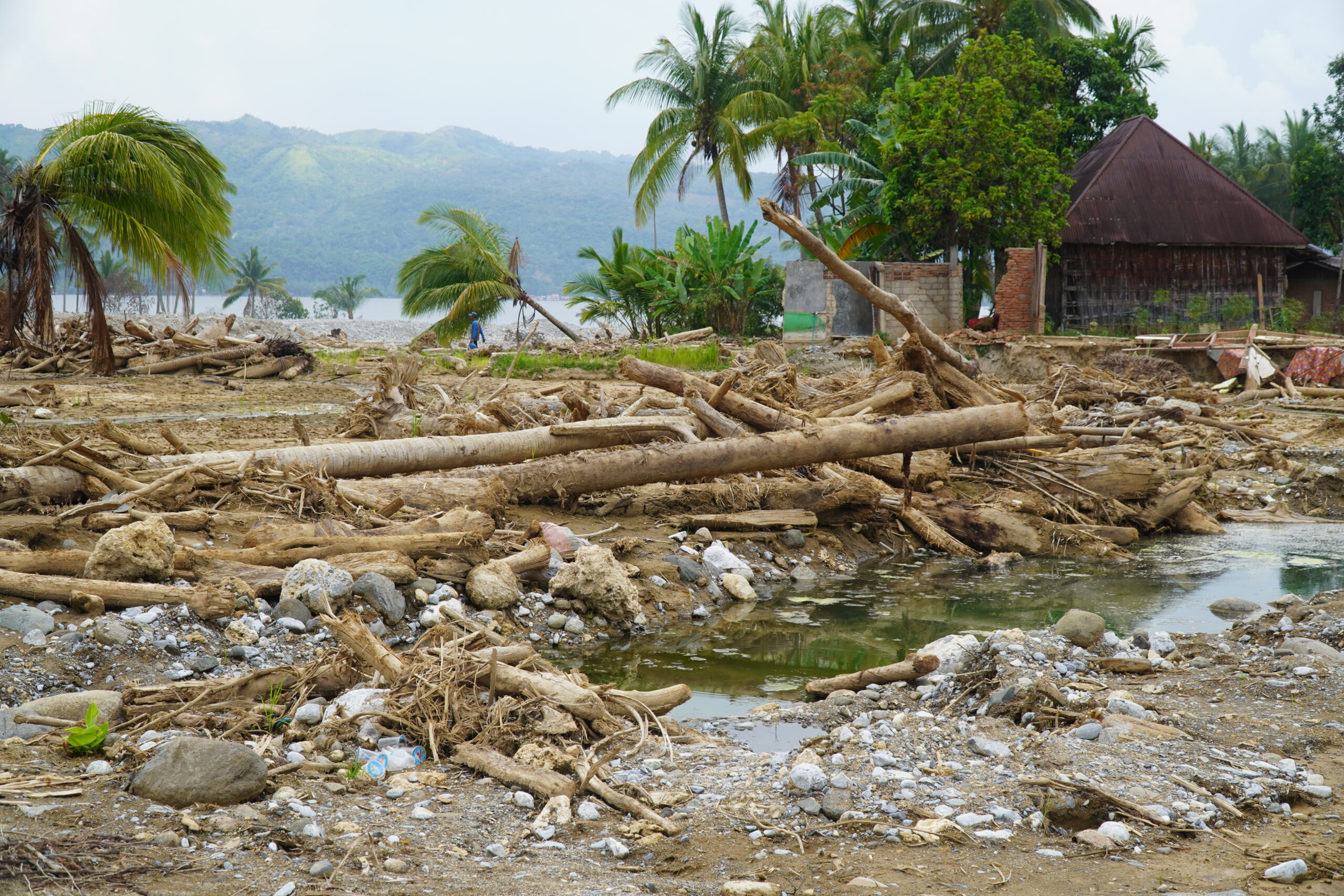
The hydrometeorological disasters that struck the region not only caused environmental damage but also disrupted food security and public health services access, thereby increasing the risk of nutritional issues among vulnerable groups. In response to these conditions, SEAMEO RECFON and the UNJA, through the 2026 Impactful Student Program (Program Mahasiswa Berdampak), collaborated to enhance student capacity in anthropometric measurement, nutrition and hygiene education, also the design of community-based nutrition intervention. This program also developed the ‘Dapur Sehat Posyandu’ model as an effort to revive nutrition and strengthen family food security in disaster-affected locations.
In this collaboration, SEAMEO RECFON serves as a strategic partner for UNJA in supporting the implementation of the 2026 Impactful Student Program (Program Mahasiswa Berdampak). SEAMEO RECFON representatives, Aziz Jati Nur Ananda, M.Gizi and Rizqiyah, M.Sc., shared their knowledge as speakers in nutrition education sessions while assisting students in preparing Action Plans (RTL). The series of activities was designed to equip students with practical skills. These included training in anthropometric measurements, as well as nutrition and hygiene education in normal and disaster situations. In addition, students learnt how to conduct surveys and analyse the impact of disasters on early childhood malnutrition.They also assisted in the development of the ‘Dapur Sehat Posyandu’ (Posyandu Healthy Kitchen) model with the local community.
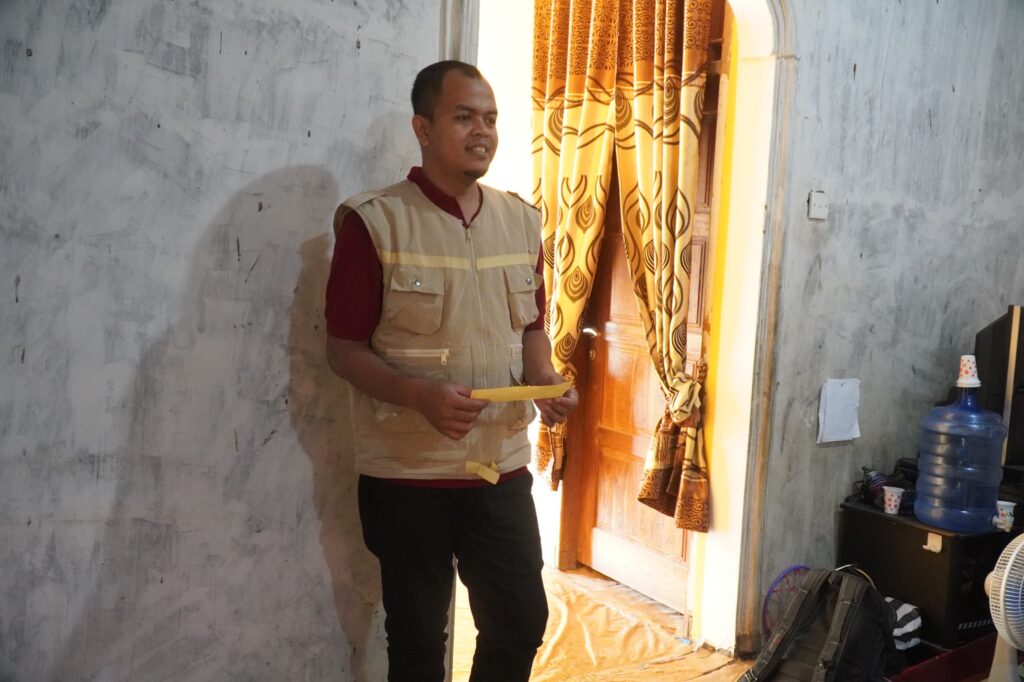
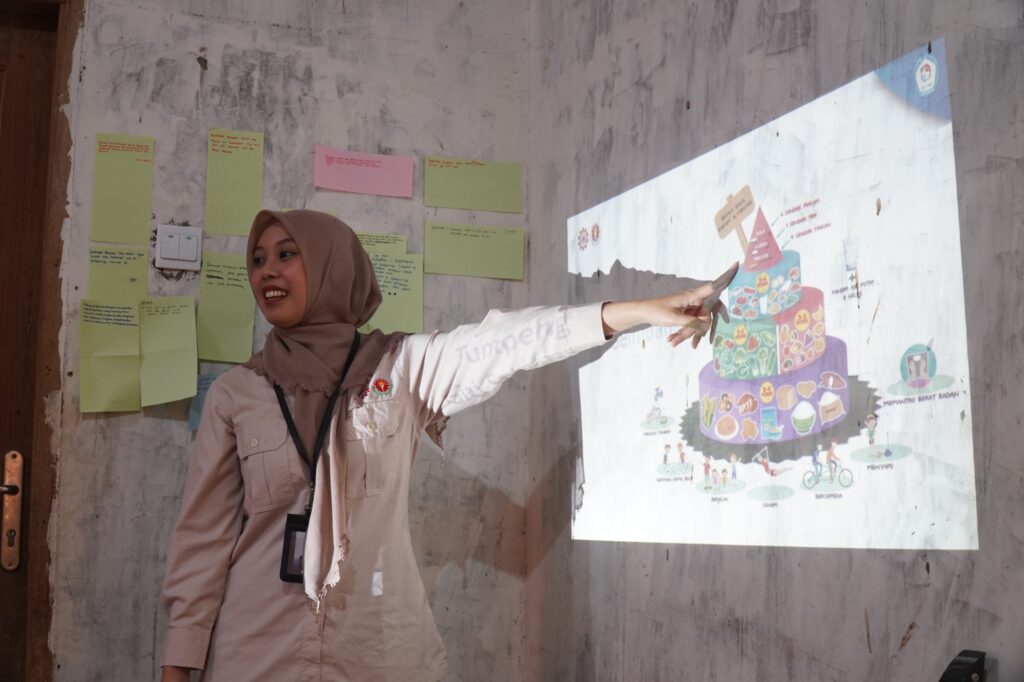
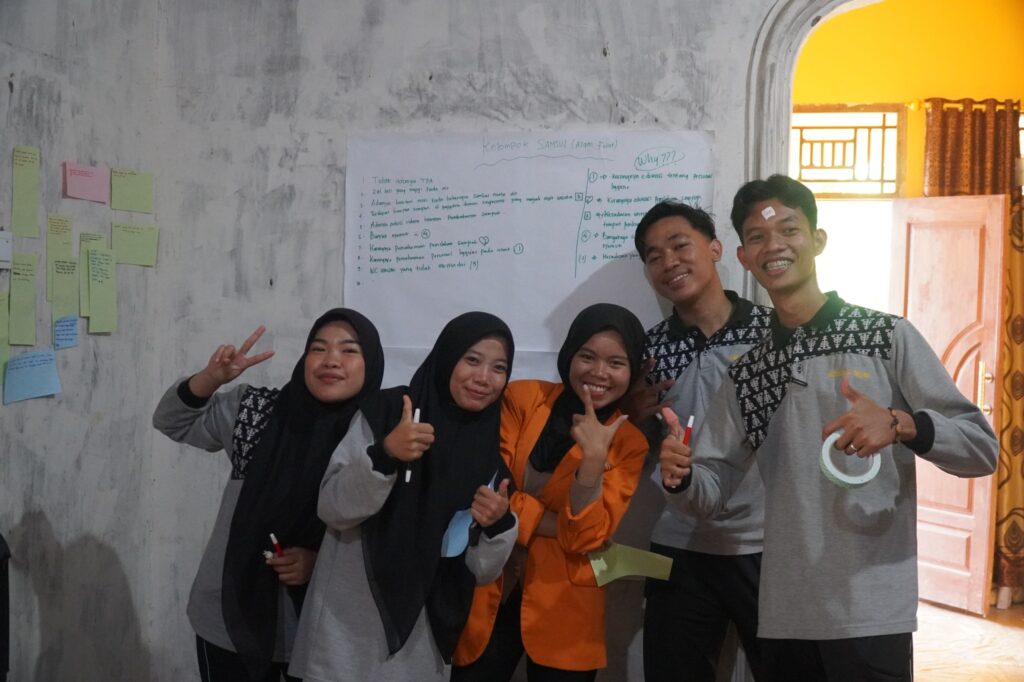
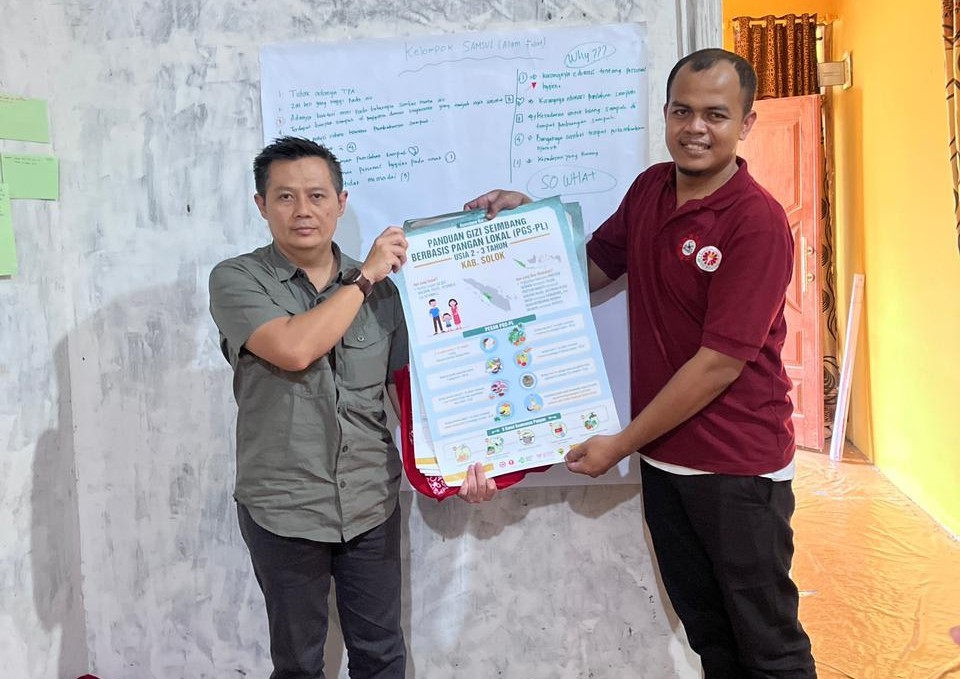
This activity forms part of the Early Childhood Care and Education (ECCNE) initiative, while supporting the implementation of the Fourth Five-Year Development Plan (4th FYDP) with a focus on Emergency Nutrition. Academic collaboration is a part of a strategy to enhance regional capacity for post-disaster nutrition response. The objectives of the project include the enhancement of students’ proficiency in nutritional status screening and the effective utilisation of “Local Food-Based Balanced Nutrition Guidelines” (PGS-PL), developed by SEAMEO RECFON within Posyandu. Furthermore, the program aims to establish a community-based ‘Dapur Sehat Posyandu’ (Posyandu Healthy Kitchen) model and develop technical modules on safe and nutritious feeding for early childhood and pregnant women to serve as a reference for relevant stakeholders.
As a regional centre for food and nutrition, SEAMEO RECFON reaffirms its commitment to strengthening community-based nutritional interventions. The approach developed through this program is expected to be replicated in other disaster-affected regions, contributing to the enhancement of post-disaster community nutritional resilience.