The 66ᵗʰ National Nutrition Day (HGN) in January 2026 holds special significance as it coincides with the 15ᵗʰ anniversary of SEAMEO RECFON as the Regional Centre for Food and Nutrition. Beyond celebration, this momentum reaffirms our commitment to transforming nutrition discourse into concrete action.
In collaboration with the Jakarta Provincial Health Office, SEAMEO RECFON organized a series of activities to strengthen the management of early childhood with nutritional problems. This initiative involved all levels of management from Community Health Centers (Puskesmas), Regional Public Hospitals (RSUD), and sub-district offices in five administrative cities and Kepulauan Seribu. Under the Early Childhood Care, Nutrition, and Education (ECCNE) program, the activities aimed to reinforce service systems and define targeted actions for the year ahead.
Nutritional Challenges for Early Childhood in DKI Jakarta
In Jakarta, nutritional issues such as stunting, malnutrition, and severe wasting are widespread. Medical intervention alone is insufficient; numerous factors play a role, including health workers’ understanding of management standards, the efficiency of referral systems, the availability of supporting facilities, and coordination between health facilities.
Various interventions have been carried out to address malnourished early childhood. However, challenges still arise in terms of compliance with management standards, which are not yet fully uniform. Internally, differences in understanding technical guidelines, variations in human resource capacity, and suboptimal referral, recording, and nutrition education systems are areas that need to be strengthened. Therefore, the approach taken in this series of activities emphasises not only improving individual capacity, but also strengthening systems, governance, and cross-management teamwork.
Technical Refresher Course on Management of Early Childhood with Nutritional Problems
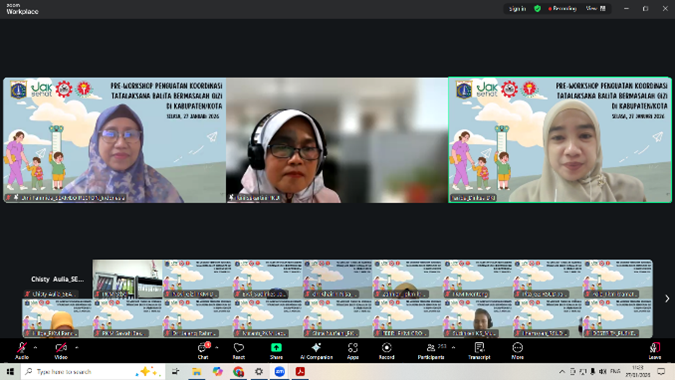
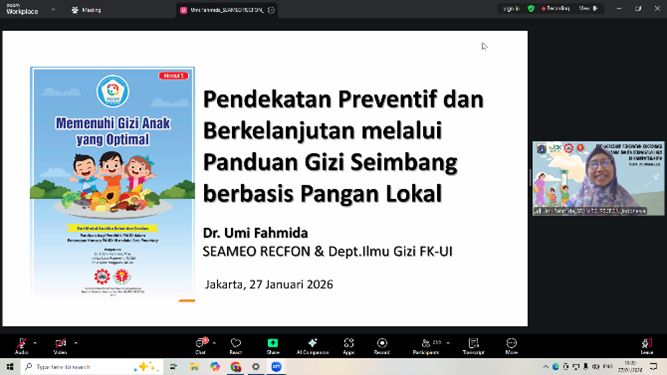
The series of activities began on 27 January 2026 with a Provincial Pre-Workshop held online, attended by nearly 200 participants. This stage aimed to align all participants’ understanding of the standards for managing malnutrition and undernutrition in early childhood. The material presented covered the latest policies and technical guidelines, as well as a preventive approach through the Local Food-Based Recommendation (PGSPL). The emphasis on preventive aspects is important so that efforts are not only curative but also preventive and rehabilitative. The discussions covered not only theory but also real experiences in the field. Participants were invited to review the practices that had been implemented so far and identify the obstacles that still needed to be overcome. This stage served as a foundation before moving on to more in-depth discussions.
Building Shared Values and Commitment
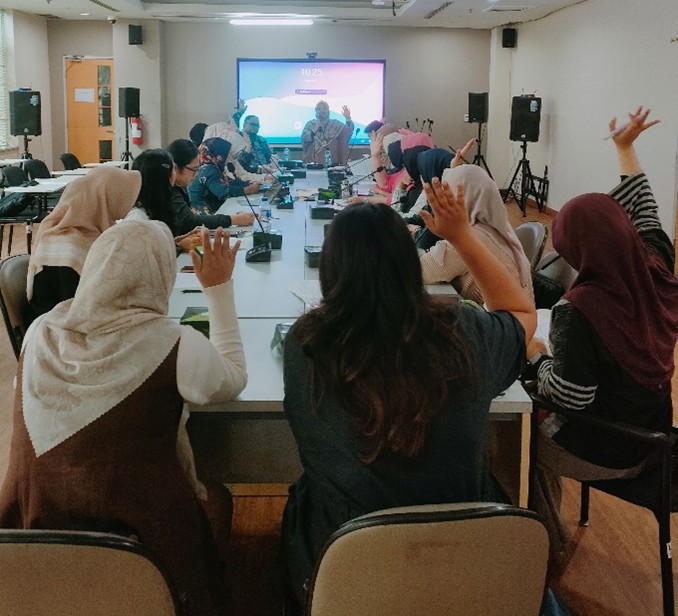
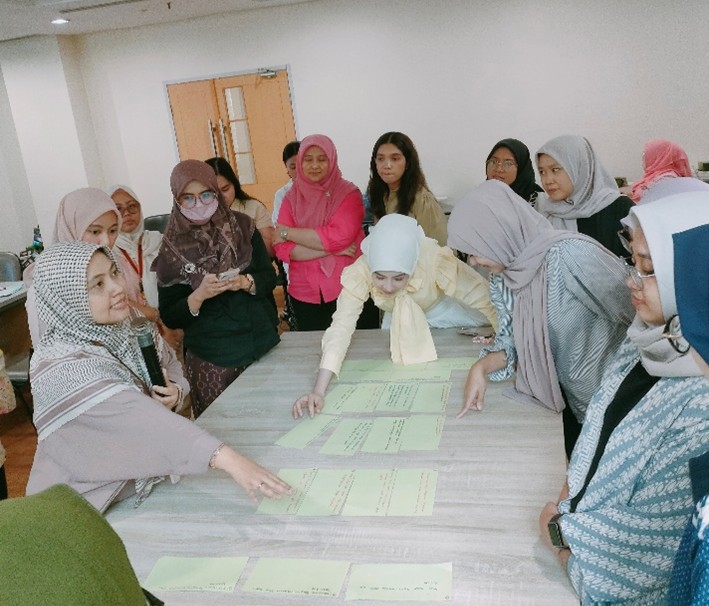
The next stage is the Shared Value Workshop, which was held offline on 1 February 2026 in the Provincial Health Office of DKI Jakarta. Through the shared values approach, participants are encouraged to align their perceptions and strengthen their sense of ownership of the nutrition service system. This approach emphasises that the success of early childhood care is not the responsibility of a single profession or facility, but rather the result of collective effort. Good coordination, open communication, and leadership support are key to ensuring that service standards are properly implemented. Through group discussions and exploration of perspectives, participants realise that systemic change requires collective commitment. Without support and cross-sector cooperation, improvements are difficult to implement consistently.
Analysing Problems, Developing Solutions
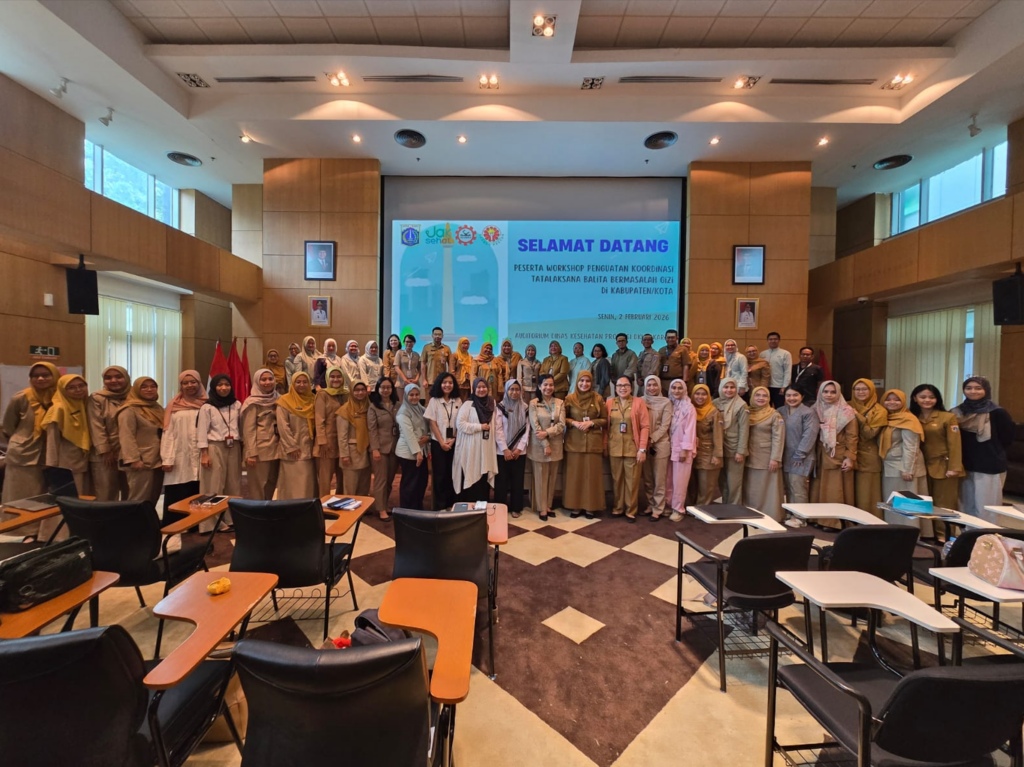
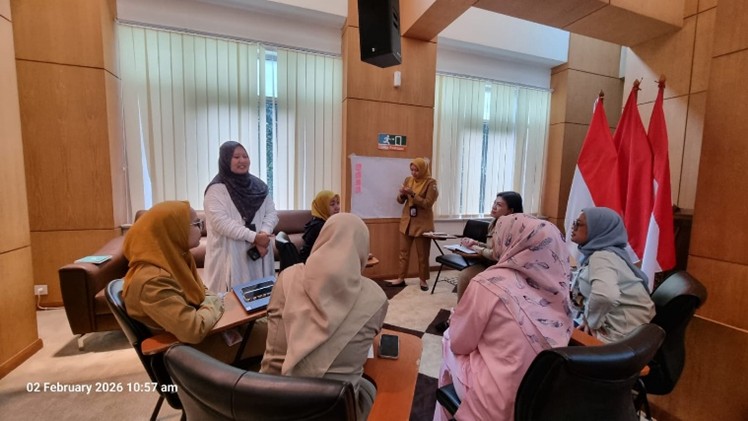
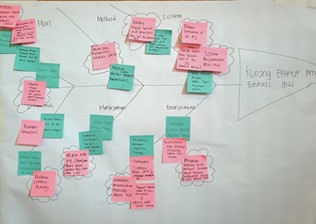
The core stage of the activity took place from 2 to 5 February 2026 through a series of workshops at the city/district level. Each administrative city had the opportunity to discuss the conditions and challenges they faced in a more contextual manner. The Ishikawa Fishbone Analysis method is used to help participants identify the root causes of three major nutritional problems, namely stunting, other nutritional problems in early childhood, and nutrition education in the community. The analysis was conducted from various aspects, including human resources, procedures and SOPs, recording and reporting systems, supporting facilities, management, and environmental factors. This approach helped participants see the problem holistically, not just the symptoms on the surface. For example, if there were obstacles in the referral process, the analysis was followed by questions on the clarity of the referral flow, the understanding of the officers, and the monitoring mechanism.
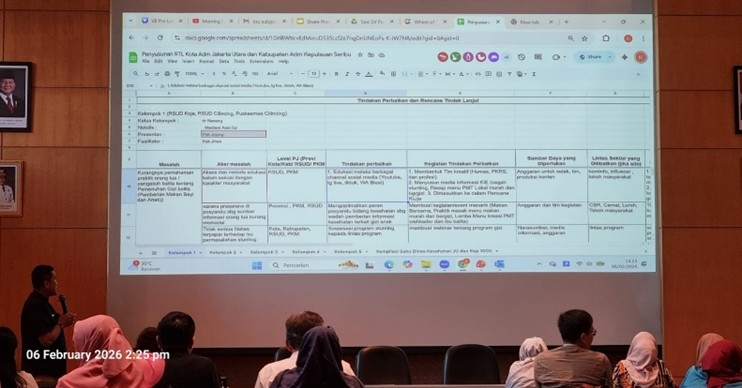
From the results of this identification, participants developed problem-solving strategies and translated them into follow-up action plans (RTL). These RTLs contained concrete steps that were realistic, measurable, and implementable in the context of each health centre, hospital, and city sub-department (Suku Dinas Kesehatan Kota). With this participatory approach, participants were not only recipients of information, but also designers of strategies for problem improvement.

Workshop implementation in each city/district
Collaboration as a Strength
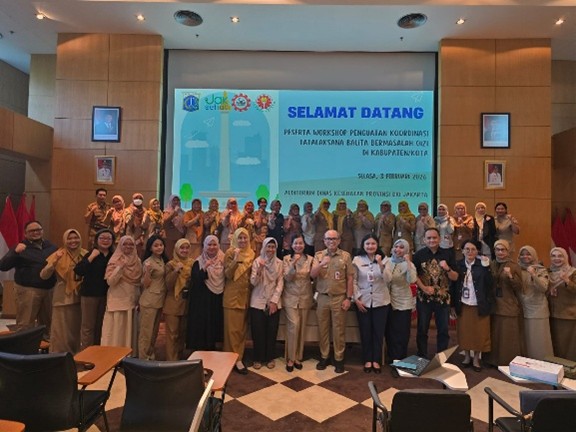
One of the important values of this series of activities is the involvement of various levels of health service management. The presence of leadership ensures that the results of discussions do not stop at technical recommendations, but have structural support for implementation. Coordination between primary and referral services is one of the main focuses. An interconnected system, optimal use of data, and regular monitoring are important parts of strengthening governance. Synergy between health facilities and local governments, as well as SEAMEO RECFON, is expected to create a more responsive and consistent system for handling cases of early childhood malnutrition.
The Celebration that Marked the Beginning
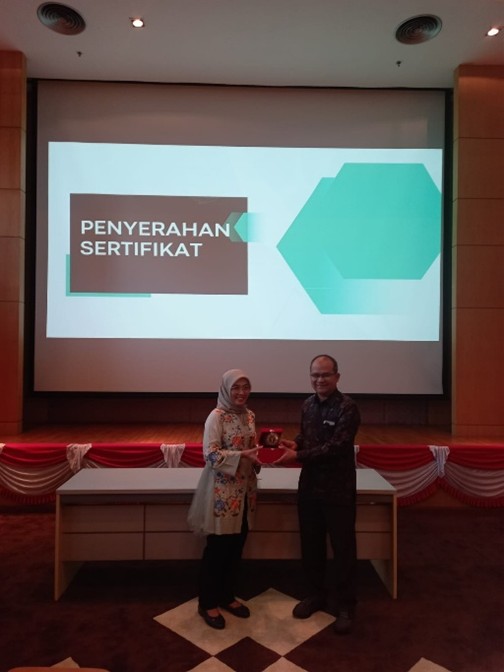
The closing ceremony on 6 February 2026 featured the presentation of consolidated Follow-up Action Plans from all administrative cities, marking a transition from reflection to concrete commitment. The 66ᵗʰ HGN and SEAMEO RECFON’s 15ᵗʰ anniversary became not only a commemoration, but a starting point for strengthened action.
The agreed commitments will be implemented throughout 2026, with regular monitoring and evaluation to ensure accountability and measurable improvements in service quality. This process reinforces a culture of shared learning and continuous improvement.
Ultimately, these efforts aim to ensure that every child receives optimal nutrition services. As early childhood nutrition forms the foundation of human development, strengthening service systems today will shape the quality of future generations. The momentum of this dual celebration reaffirms a clear commitment: 2026 is a year of implementation where plans translate into action, and impact is systematically measured for healthier, stronger children in Jakarta.